

Abortion
- Home
- Abortion
Abortion
Abortion
Abortion is a complex and sensitive issue that involves legal, ethical, religious, social, and health aspects. In this page, we will explore some of the following topics:
- What are the reasons why people seek abortion?
- What are the laws and policies on abortion in Southern and Eastern Africa?
- What are the consequences of unsafe abortion and how can they be prevented?
- What are the rights and responsibilities of people who seek or provide abortion?
- Where can people get support and advice on abortion?
What are the reasons why people seek abortion?
People seek abortion for various reasons, depending on their personal, social, and health circumstances. Some of the common reasons include:
- Not being ready or able to raise a child
- Having financial difficulties or lack of support
- Having relationship problems or being a victim of abuse
- Having health concerns for themselves or the fetus
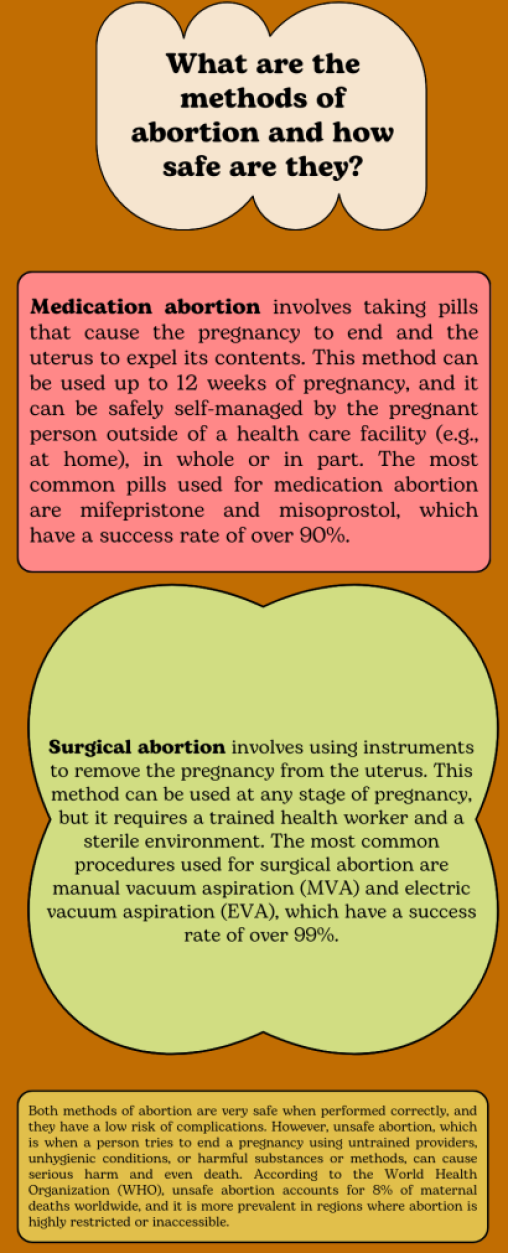
What are the laws and policies on abortion in Southern and Eastern Africa?
Here is a summary of the abortion laws by country in this region:
Angola
Abortion is illegal with no exceptions.
Botswana
Abortion is legal only to save the life of the woman, or in cases of rape, incest, fetal impairment, or when the woman is of unsound mind.
Burundi
Abortion is illegal with no exceptions.
Comoros
Abortion is illegal with no exceptions.
Djibouti
Abortion is legal only to save the life of the woman, or in cases of rape or incest.
To see the full list of countries and their abortion laws, please visit this link:
https://reproductiverights.org/worldabortionlaws
There is a need for more research and advocacy to support evidence-informed policies and reforms that ensure women’s and girls’ access to comprehensive abortion care (CAC) in Southern and Eastern Africa. CAC includes not only safe abortion services, but also post-abortion care, contraception, sexuality education, and legal protection. CAC is essential for advancing gender equality, human rights, and public health in this region.
What are the consequences of unsafe abortion and how can they be prevented?
Some of the common complications of unsafe abortion include:
- Heavy bleeding or hemorrhage
- Infection or sepsis
- Injury to the uterus or other organs
- Incomplete abortion or retained products of conception
What are the rights and responsibilities of people seeking or providing abortion?
People seeking abortion have the right to:
- Access safe, legal, and affordable abortion services without barriers or delays
- Receive accurate and comprehensive information and counseling on abortion and its alternatives
- Give informed consent and exercise autonomy over their own bodies
- Be treated with respect, dignity, and confidentiality by health care providers and others
People seeking abortion also have the responsibility to:
- Respect the rights and opinions of others who may have different views on abortion
- Follow the instructions and guidelines given by health care providers for safe abortion care
- Seek post-abortion care and contraception if needed
People providing abortion have the right to:
- Provide safe, legal, and quality abortion services without fear of harassment or prosecution
- Receive adequate training and support to perform abortion care competently and ethically
- Exercise conscientious objection if they have moral or religious objections to abortion, but only if they refer the person to another provider who can offer the service without delay
People providing abortion also have the responsibility to:
- Respect the rights and dignity of the person seeking abortion and provide them with accurate and comprehensive information and counseling
- Follow the evidence-based guidelines and protocols for safe abortion care and ensure infection prevention and control measures
- Maintain confidentiality and privacy of the person seeking abortion and their medical records
Where can people get support and advice on abortion?
- Talk to a trusted health care provider who can provide accurate and comprehensive information and counseling on abortion and its alternatives, as well as referrals to safe and legal abortion services if needed.
- Reach out to a supportive friend or family member who can listen and offer emotional support without judgment or pressure.
- Contact a counselor or therapist who can help with coping with the feelings and stress that may arise from having an abortion or considering one.